
Software
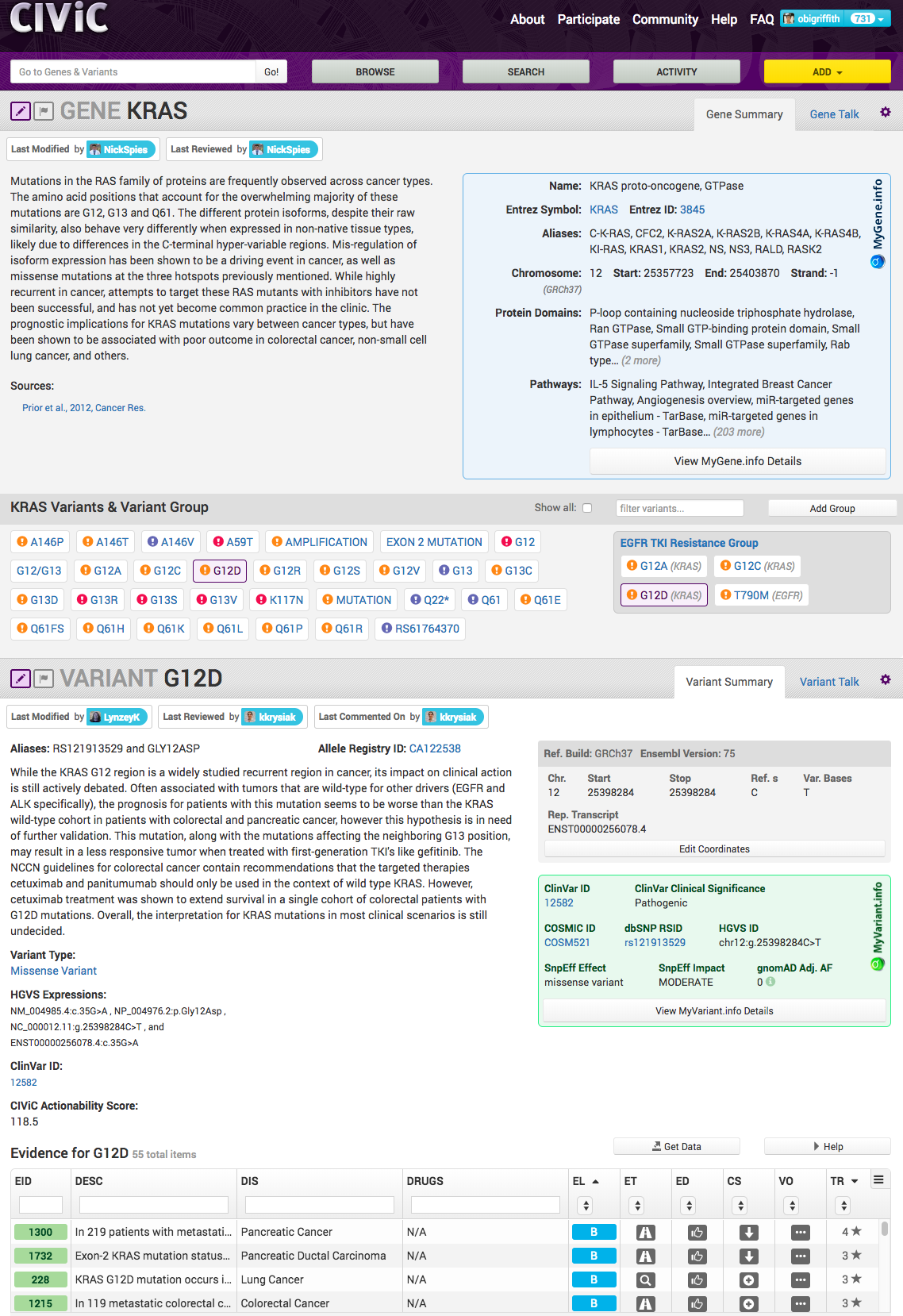

URL: civicdb.org
Description:
CIViC provides a knowledgebase and curation system for expert crowdsourcing the clinical interpretation of variants in cancer.
Team members:
Malachi Griffith, Nicholas Spies, Kilannin Krysiak, Josh McMichael, Adam Coffman, Arpad Danos, Susanna Kiwala, Ben Ainscough, Erica Barnell, Alex Wagner, Zachary Skidmore, Robert Lesurf, Lee Trani, Avinash Ramu, Katie Campbell, Ajay Venigalla, Lana Sheta, Obi Griffith
Source code:
civic-client (GitHub)civic-server (GitHub)
Citation(s):
1. Griffith, Spies, Krysiak et al. 2017. CIViC is a community knowledgebase for expert crowdsourcing the clinical interpretation of variants in cancer. Nature Genetics. 49(2):170–174.2. Krysiak et al. 2023. CIViCdb 2022: evolution of an open-access cancer variant interpretation knowledgebase. Nucleic Acids Research. 51(D1):D1230-D1241.
3. Schimmelpfennig et al. 2026. CIViC MCP: integrating large language models with the Clinical Interpretations of Variants in Cancer. Bioinformatics Advances. 6(1):vbag209.
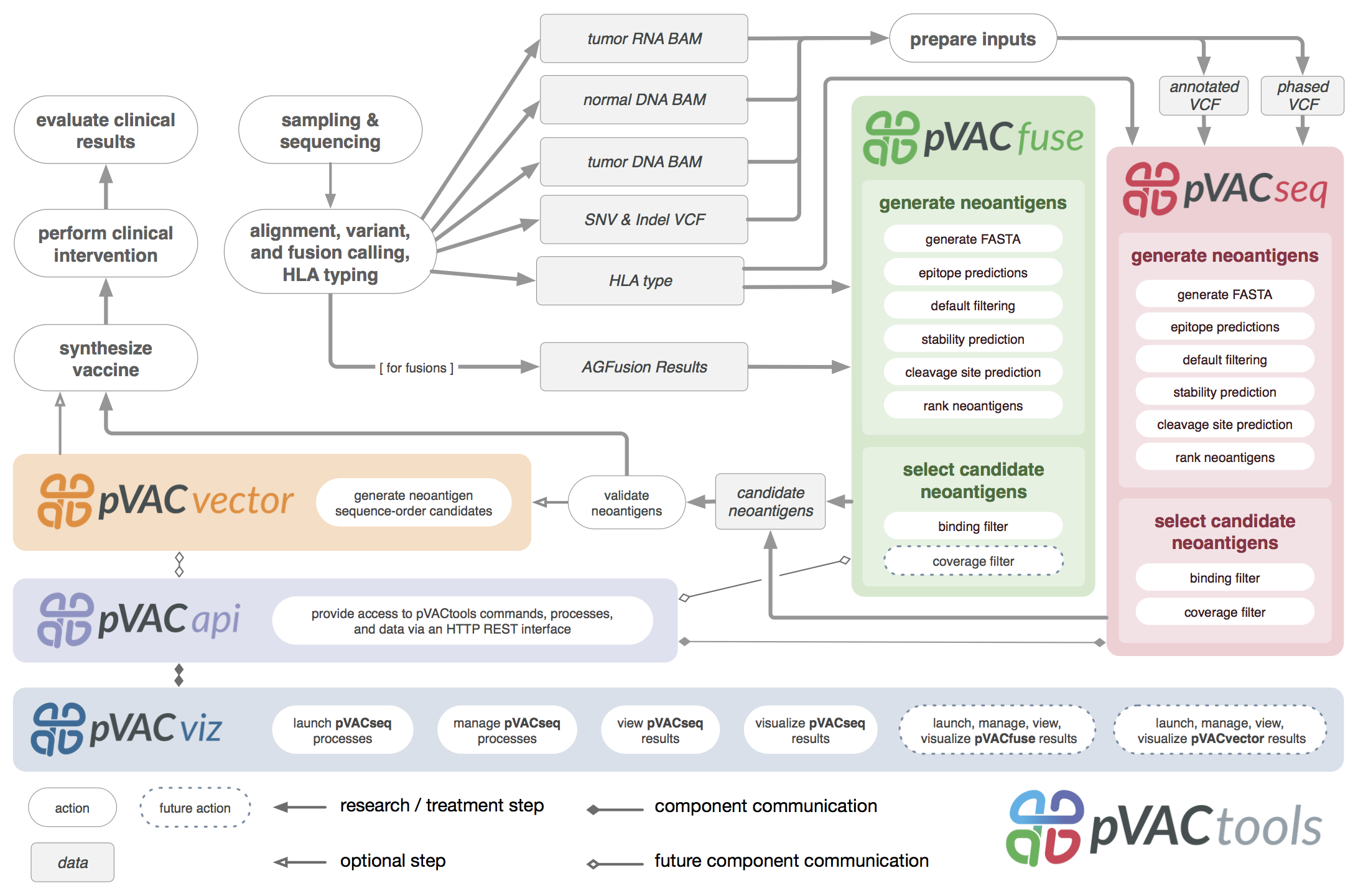

URL: pvactools.org
Description:
A computational toolkit for aiding design of personalized cancer vaccines.
Team members:
Susanna Kiwala, Huiming Xia, Miller Richters, Joshua McMichael, Christopher Miller, Jasreet Hundal, Yang-Yang Feng, Aaron Graubert, Alex Wollam, Amber Wollam, Connor Liu, Jason Walker, Obi Griffith, Malachi Griffith
Source code:
pVACtools (GitHub)Citation(s):
1. Hundal et al. 2016. pVAC-Seq: A genome-guided in silico approach to identifying tumor neoantigens. Genome Medicine. 8(1):11.2. Hundal, Kiwala et al. 2020. pVACtools: A Computational Toolkit to Identify and Visualize Cancer Neoantigens. Cancer Immunology Research. 8(3):409-420.
3. Hoang et al. 2026. pVACtools v6: A comprehensive suite for neoantigen prediction, visualization, and therapy design. arXiv:2606.26659.
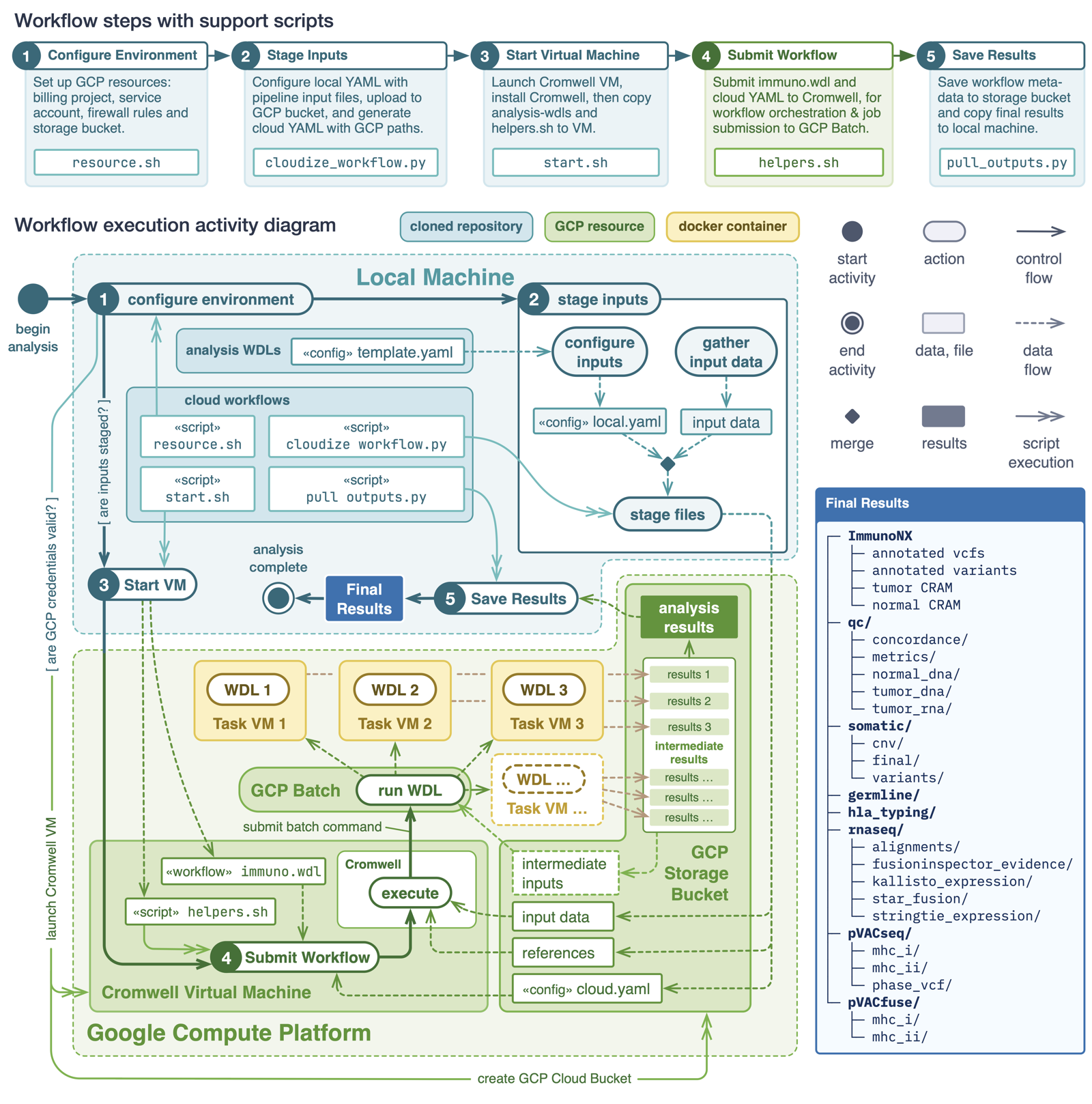

URL: github.com/griffithlab/ImmunoNX_protocol
Description:
ImmunoNX is a robust bioinformatics workflow to support personalized neoantigen vaccine trials. It combines a computational pipeline for neoantigen prediction, run on Google Cloud using WDL workflows, with rigorous manual immunogenomics review criteria for selecting vaccine candidates. The protocol includes a worked example using the HCC1395 cell line.
Team members:
Kartik Singhal, Evelyn Schmidt, Susanna Kiwala, Christopher Miller, Huiming Xia, Kelsy Cotto, Allen Li, Jennie Yao, Luke Hendrickson, Miller Richters, My Hoang, Mariam Khanfar, Isabel Risch, Adam Coffman, Jasreet Hundal, Joshua McMichael, Obi Griffith, Malachi Griffith
Source code:
ImmunoNX_protocol (GitHub)analysis-wdls (GitHub)
Citation(s):
1. Singhal et al. 2025. ImmunoNX: a robust bioinformatics workflow to support personalized neoantigen vaccine trials. arXiv:2512.08226.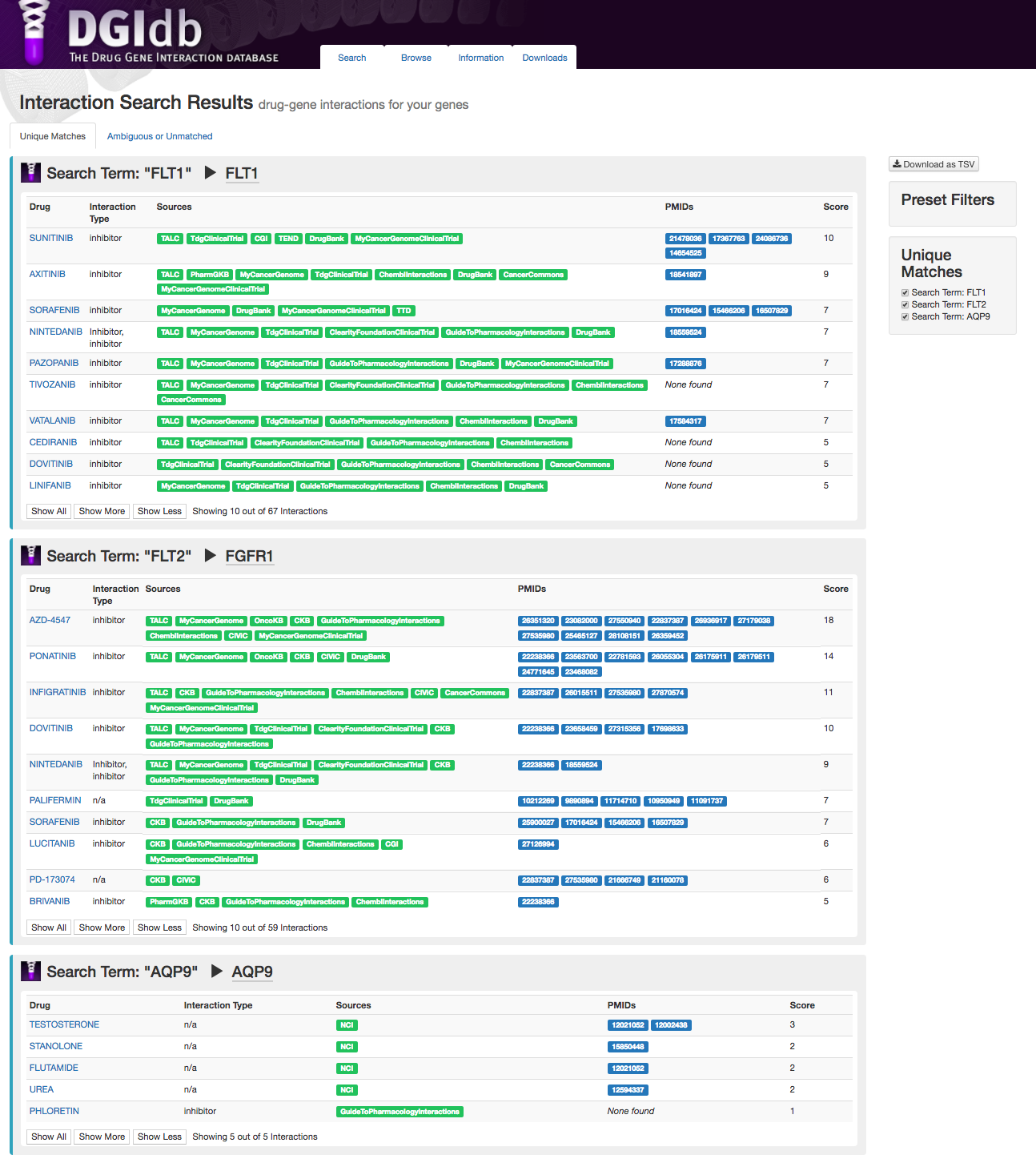

URL: dgidb.org
Description:
DGIdb offers user-friendly browsing, searching, and filtering of information on drug-gene interactions and the druggable genome, mined from over thirty trusted sources.
Team members:
Kelsy Cotto, Alex Wagner, Yang-Yang Feng, Susanna Kiwala, Adam Coffman, Gregory Spies, Alex Wollam, Nicholas Spies, Obi Griffith, Malachi Griffith
Source code:
dgi-db (GitHub)Citation(s):
1. Griffith, Griffith, et al. 2013. DGIdb: mining the druggable genome. Nature Methods. 10(12):1209-10.2. Wagner et al. 2016. DGIdb 2.0: mining clinically relevant drug-gene interactions. Nucleic Acids Research. 44(D1):D1036-44.
3. Cotto, Wagner et al. 2018. DGIdb 3.0: a redesign and expansion of the drug-gene interaction database. Nucleic Acids Research.
4. Freshour, Kiwala, Cotto et al. 2021. Integration of the Drug-Gene Interaction Database (DGIdb 4.0) with open crowdsource efforts. Nucleic Acids Research. 49(D1):D1144-D1151.
5. Cannon et al. 2024. DGIdb 5.0: rebuilding the drug-gene interaction database for precision medicine and drug discovery platforms. Nucleic Acids Research. 52(D1):D1227-D1235.
6. Schimmelpfennig et al. 2026. Searching the druggable genome using large language models. Bioinformatics. 42(9):btag632.
URL: civicpy.org
Description:
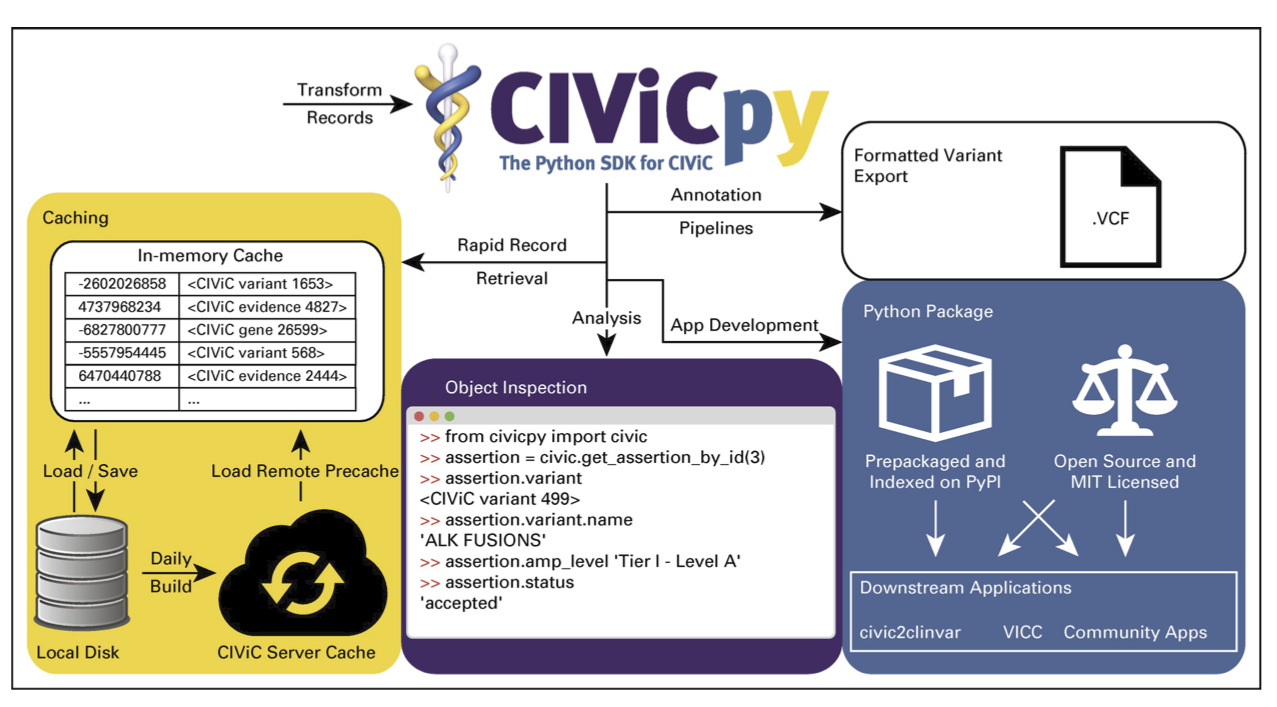
CIViCpy is designed to be an intuitive SDK and analysis toolkit for the Clinical Interpretations of Variants in Cancer (CIViC) knowledgebase.
Team members:
Alex Wagner, Susanna Kiwala, Adam Coffman, Joshua McMichael, Kelsy Cotto, Thomas Mooney, Erica Barnell, Kilannin Krysiak, Arpad Danos, Jason Walker, Obi Griffith, Malachi Griffith
Source code:
CIViCpy (GitHub)Citation(s):
1. Wagner and Kiwala, et al. 2020. CIViCpy: A Python Software Development and Analysis Toolkit for the CIViC Knowledgebase. JCO Clin Cancer Inform. 4:245-253.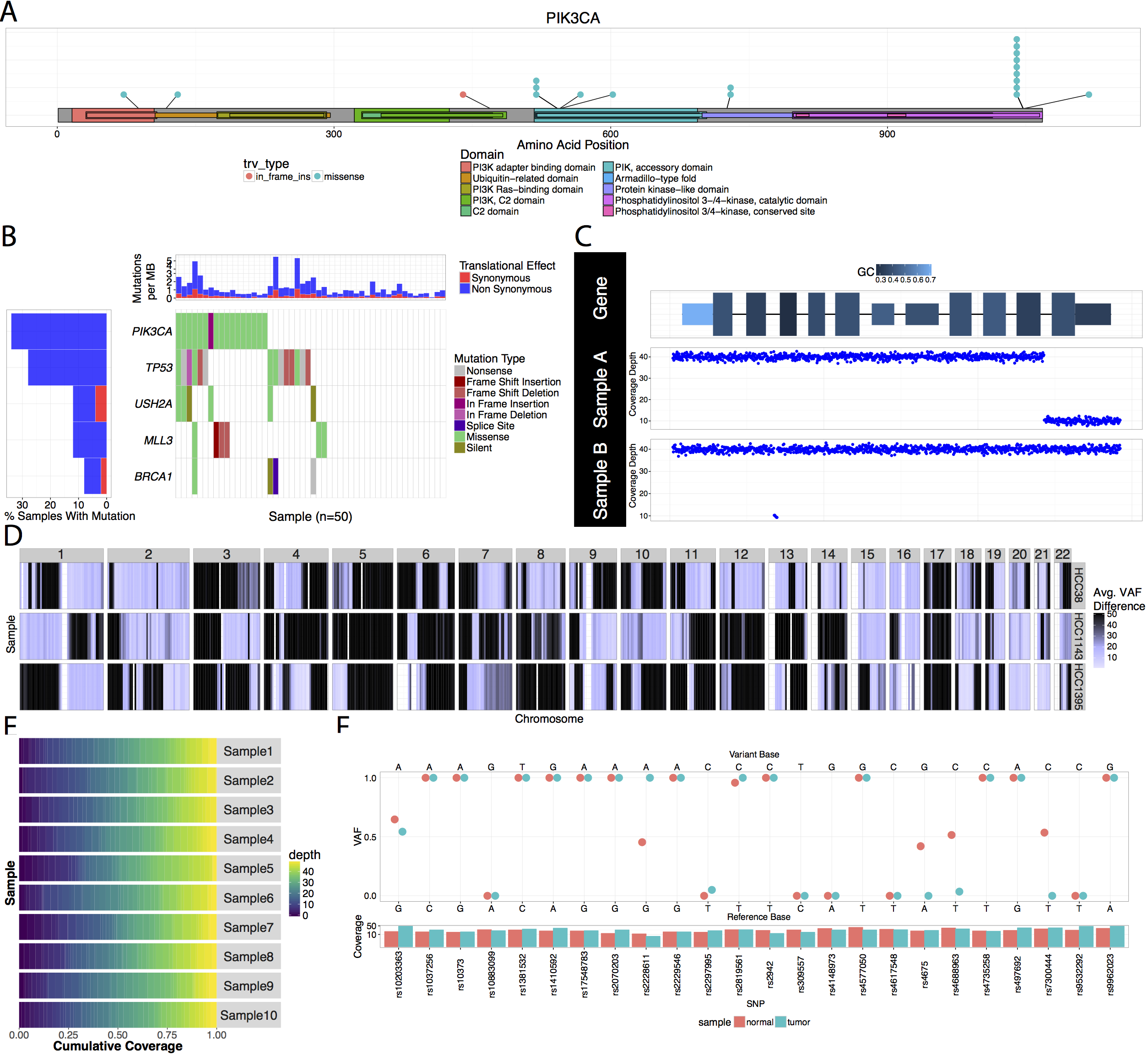
URL: github.com/griffithlab/GenVisR
Description:
GenVisR is a bioconductor package designed to allow users to produce highly customizable publication quality graphics for genomic data primarily at the cohort level.
Team members:
Zachary Skidmore, Alex Wagner, Katie Campbell, Kelsy Cotto, Jason Kunisaki, Obi Griffith, Malachi Griffith.
Source code:
GenVisR (Bioconductor)GenVisR (GitHub)
Citation(s):
1. Skidmore et al. 2016. GenVisR: Genomic Visualizations in R. Bioinformatics. 32(19):3012-4.2. Skidmore et al. 2021. Exploring the Genomic Landscape of Cancer Patient Cohorts with GenVisR. Current Protocols.
URL: regtools.org
Description:
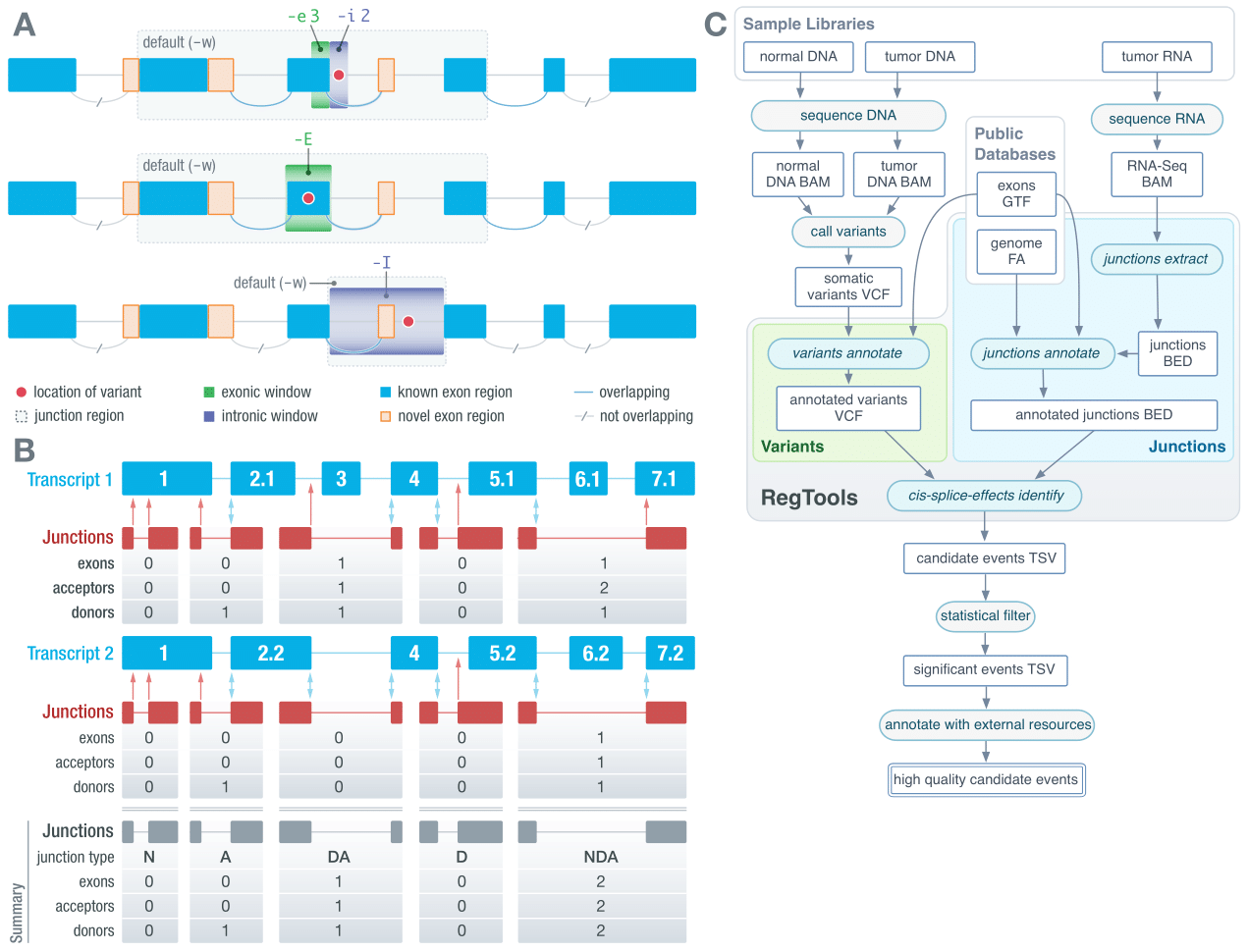
RegTools is a set of tools that integrate DNA-seq and RNA-seq data to help interpret mutations in a regulatory and splicing context.
Team members:
Yang-Yang Feng, Avinash Ramu, Kelsy Cotto, Jason Kunisaki, Zachary Skidmore, Obi Griffith, Malachi Griffith
Source code:
RegTools (GitHub)Citation(s):
1. Cotto, Feng et al. 2023. Integrated analysis of genomic and transcriptomic data for the discovery of splice-associated variants in cancer. Nature Communications. 14(1):1589.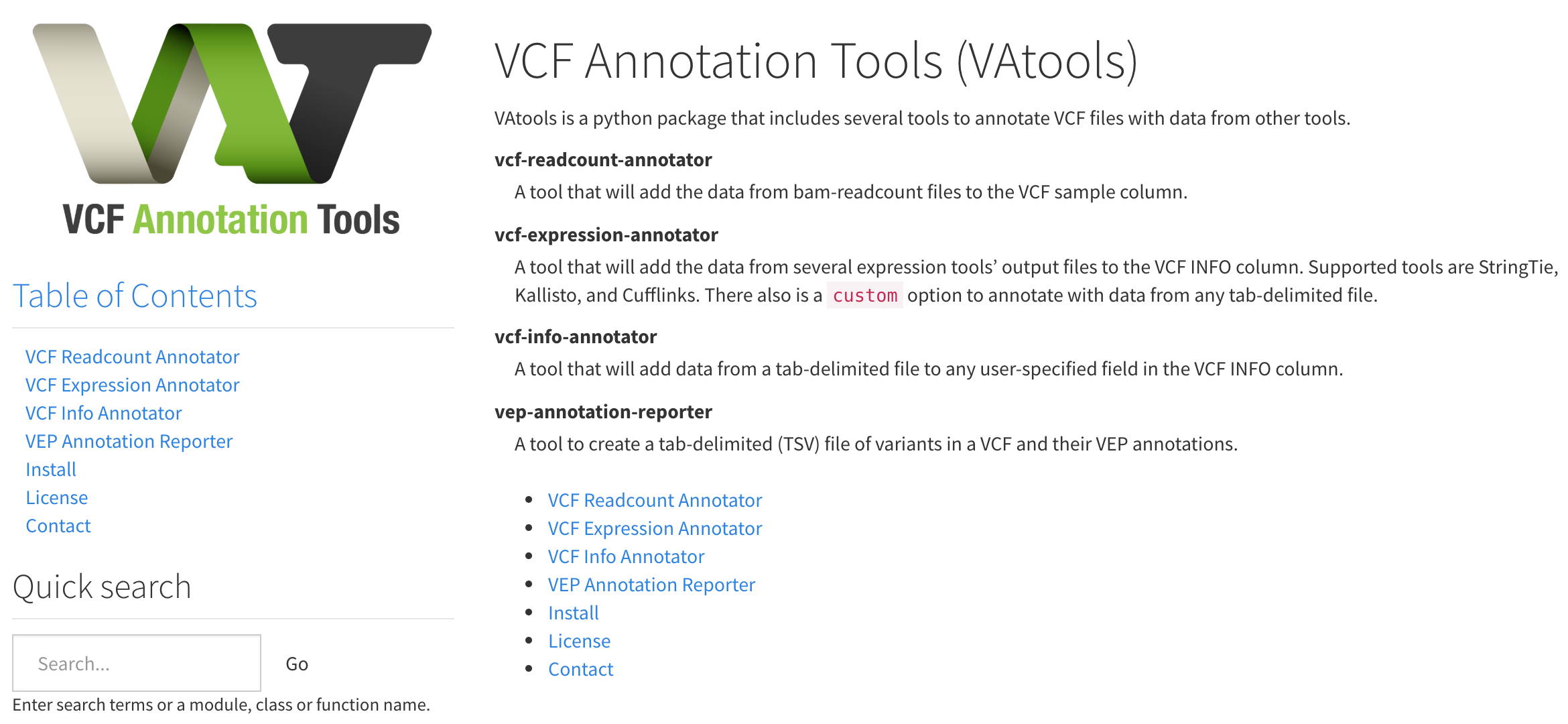

URL: vatools.org
Description:
VAtools is a python package that includes several tools to annotate VCF files with data from other tools.
Team members:
Susanna Kiwala
Source code:
VAtools (GitHub)Citation(s):
1. In preparation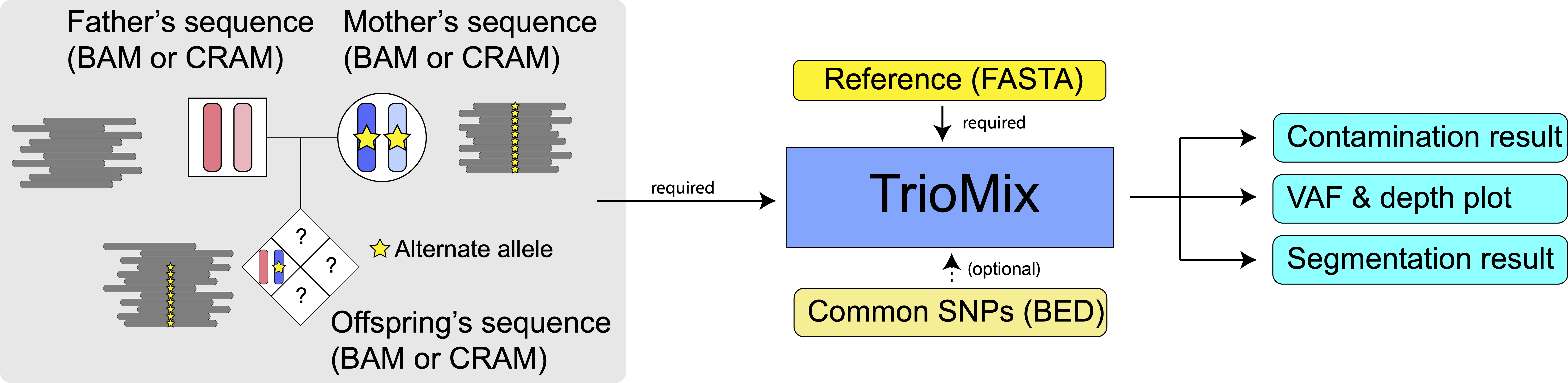
URL: triomix.io
Description:
TrioMix is a software tool for detecting intrafamilial DNA contamination, chimerism, and uniparental disomy from sequencing family trios.
Team members:
Chris Yoon, Obi Griffith, Malachi Griffith
Source code:
TrioMix (GitHub)Citation(s):
1. Yoon et al. 2022. Estimation of intrafamilial DNA contamination in family trio genome sequencing using deviation from Mendelian inheritance. Genome Research (2022).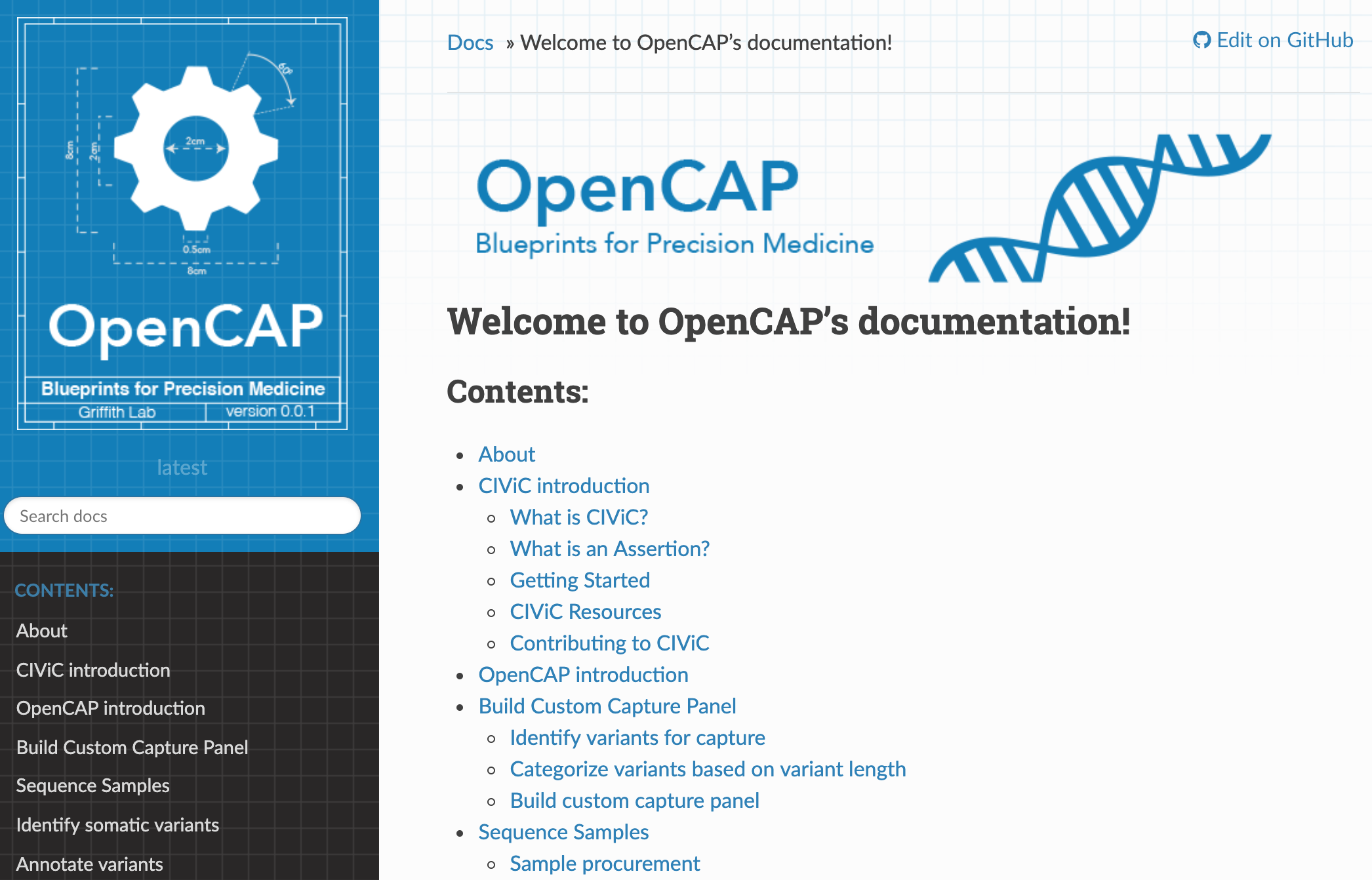

URL: opencap.org
Description:
An open resource for building custom capture panels that are transparently linked to clinical variant annotations.
Team members:
Erica Barnell, Adam Waalkes, Kelsi Penewit, Katie Campbell, Zachary Skidmore, Colin Pritchard, Todd Fehniger, Ravindra Uppaluri, Ramaswamy Govindan, Malachi Griffith, Stephen Salipante, Obi Griffith
Source code:
OpenCAP (GitHub)Citation(s):
1. Barnell et al. 2019. Open-Sourced CIViC Annotation Pipeline to Identify and Annotate Clinically Relevant Variants Using Single-Molecule Molecular Inversion Probes. JCO Clin Cancer Inform. 3:1-12.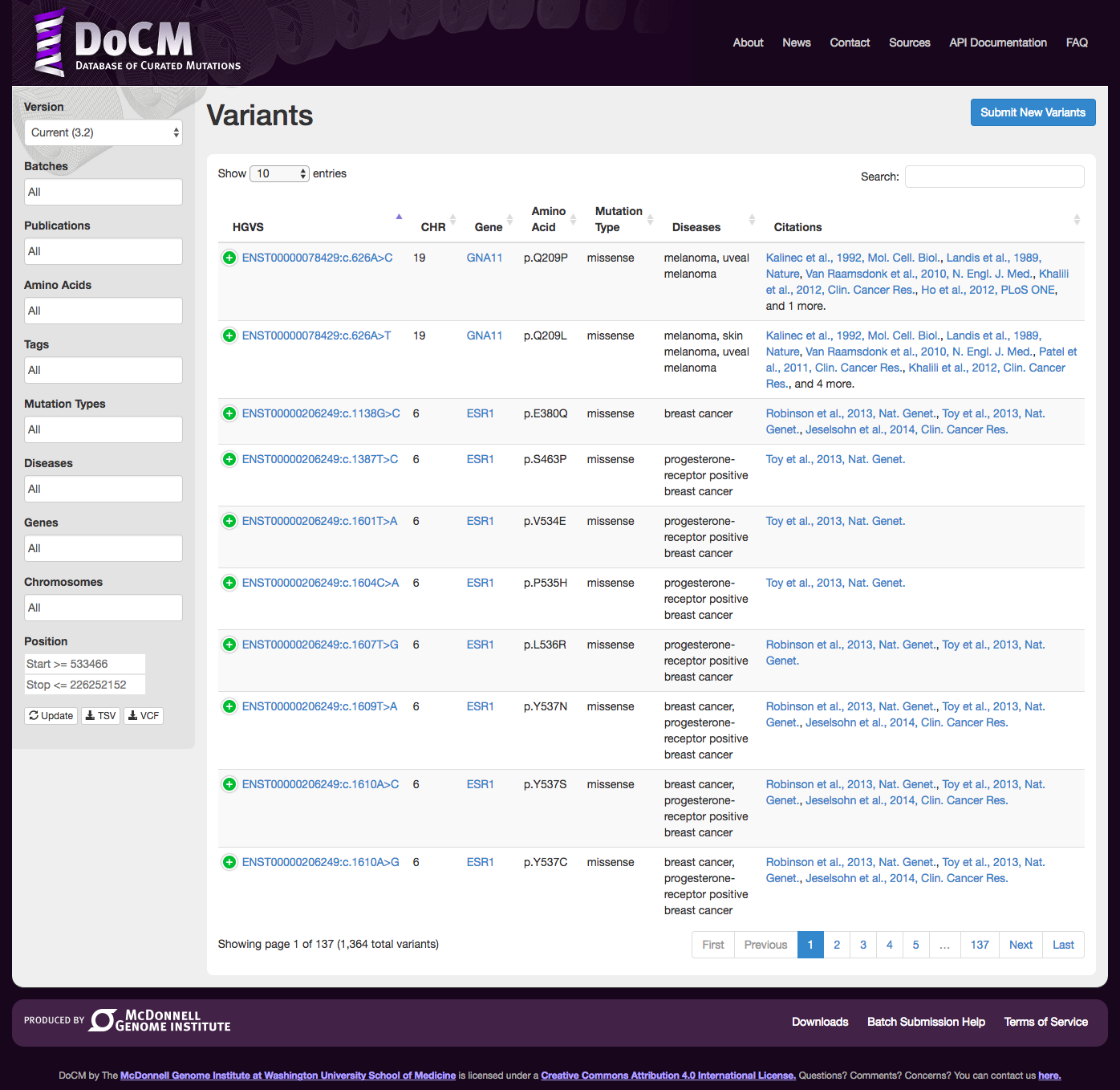

URL: docm.info
Description:
The Database of Curated Mutations (DoCM) is an open access resource that outlines literature supported somatic mutations that are clinically or biologically relevant.
Team members:
Ben Ainscough, Malachi Griffith, Adam Coffman, Alex Wagner, Jason Kunisaki, Joshua McMichael, Obi Griffith